Why Is Fall the Best Time to Schedule Roof Work in DFW?
Fall is often one of the best times to schedule roof work in DFW because temperatures are typically milder than summer, asphalt shingles are easier to handle, and homeowners can address storm damage or aging materials before winter. Scheduling roof repairs or replacement in fall also helps prepare your home for colder temperatures, wind, rain, and the next severe-weather season.
At DFW Roofing Pro, we understand how North Texas weather affects residential roofing throughout the year. From intense summer heat to hail-producing thunderstorms and sudden winter cold snaps, roofs across Dallas, Fort Worth, Plano, Frisco, Arlington, and surrounding communities face demanding conditions. Our team helps homeowners identify damage, understand their options, and choose the right time for repairs or replacement. Fall provides an especially useful window for proactive roof work because it combines more moderate working conditions with the opportunity to address problems before winter. Whether you have visible damage or simply want to know how your roof is holding up, a professional fall inspection can help you make informed decisions instead of waiting for a small issue to become an emergency.
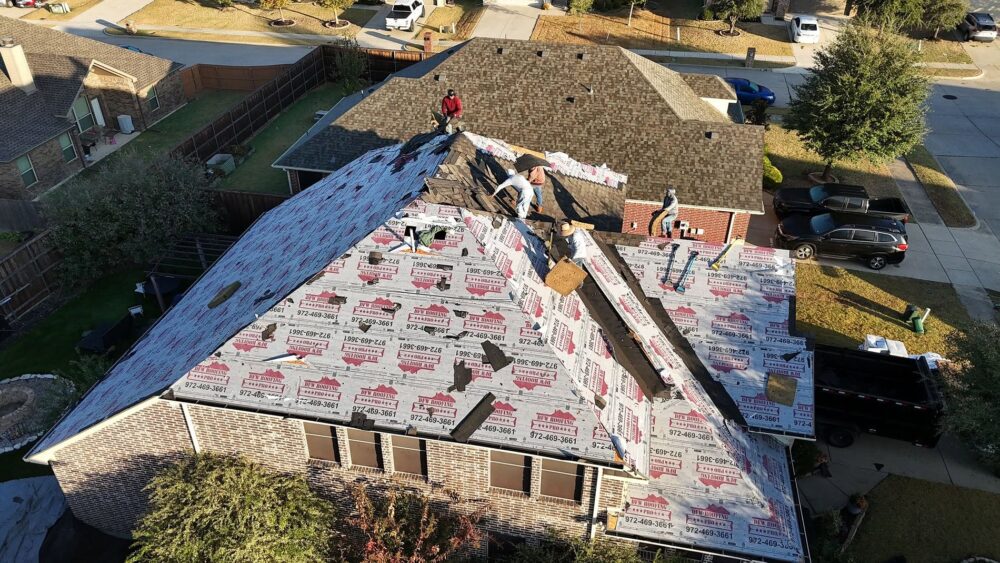
Benefits of Scheduling Fall Roofing Services in DFW
The biggest advantage of fall roof work is the combination of moderate temperatures and smart timing. National Weather Service climate normals for Dallas/Fort Worth show a normal high of 78.4°F in October and 66.6°F in November, compared with normal highs of 95.6°F in July and 95.8°F in August.
Those milder conditions can benefit roofing crews and roofing materials alike. They also give homeowners an opportunity to prepare their homes before the coldest part of the year.
Why Are Fall Temperatures Better for Asphalt Shingle Roofing?
Moderate temperatures can make asphalt shingles easier to handle and install correctly.
GAF notes that, for easiest handling, fiberglass asphalt shingles are generally best worked with above 40°F and below 90°F. In very hot weather, shingles can become easier to damage through foot traffic and may stick together in their packaging. In cold weather, they can become brittle and require additional installation precautions.
DFW’s typical fall temperatures often fall between these extremes. That makes autumn a practical season for projects such as:
- Asphalt shingle roof replacement
- Storm damage repairs
- Missing or damaged shingle replacement
- Flashing repairs
- Ventilation improvements
- Preventive roof maintenance
Weather conditions still need to be evaluated on the actual installation day, but fall often provides a useful balance between North Texas summer heat and winter cold.
Does Fall Give Shingles Enough Time to Seal?
Fall can provide favorable conditions for asphalt shingles to seal, particularly when projects are completed before colder winter weather arrives.
Many asphalt shingles use thermally activated sealant that bonds after installation with sufficient warmth and sun exposure. The Asphalt Roofing Manufacturers Association explains that sealing time depends on factors including roof slope, orientation, and exposure to sun and heat. ARMA also notes that asphalt shingles become less flexible as temperatures decrease.
That is one reason homeowners should avoid assuming that waiting until the middle of winter is always equivalent to scheduling work earlier in the fall. A professional roofer should consider current temperatures, forecast conditions, roof exposure, and the manufacturer’s installation requirements before beginning work.
Why Should DFW Homeowners Repair Summer Storm Damage in Fall?
Fall is an excellent time to identify and repair damage left behind by spring and summer storms.
The National Weather Service says large hail, damaging winds, flooding, and tornadoes occur nearly every year somewhere in the Dallas/Fort Worth Metroplex, with severe-weather frequency peaking during spring. Roof damage caused earlier in the year is not always obvious from the ground.
A fall roof inspection may uncover:
- Bruised, cracked, or missing shingles
- Damaged flashing
- Exposed roof decking
- Loose roofing components
- Problems around vents, chimneys, or roof penetrations
- Signs of leaks or moisture intrusion
Finding these issues before winter gives homeowners time to address them before cold fronts and additional rain put more stress on the roofing system.
Is Fall Weather Always Ideal for Roofing in North Texas?
No. Fall offers advantages, but DFW homeowners should still expect roofing schedules to depend on daily weather conditions.
The National Weather Service describes both spring and fall as transition seasons that can be among the wetter periods of the year, although extended stretches of pleasant weather are also common. North Texas thunderstorms can occur during fall, so reputable roofing contractors should monitor forecasts rather than install roofing materials simply because a project is on the calendar.
This makes planning important. Scheduling early in the season can provide more flexibility if rain, storms, or unusually cold weather requires a project to be moved.
Can Fall Roof Work Help Prepare Your Home for Winter?
Yes. Completing necessary roof work in fall gives your roofing system a chance to enter winter in better condition.
Even though DFW winters are generally milder than those in northern climates, freezing weather and wintry precipitation can occur. The National Weather Service notes that wintry precipitation occurs every winter in the Dallas/Fort Worth area, although some seasons receive little or no measurable snowfall.
Before colder weather arrives, homeowners should pay particular attention to existing leaks, damaged shingles, flashing problems, roof penetrations, and attic ventilation. Fixing vulnerabilities proactively is usually preferable to discovering them when water is already entering the home.
How to Get Your DFW Roof Ready This Fall
You do not need to wait until you see water stains on the ceiling to think about your roof. Fall is a good time to evaluate its condition and determine whether maintenance, repairs, or replacement should be planned.
Start by looking for visible warning signs from the ground, including missing shingles, debris, sagging areas, or damaged gutters. Inside the home, check ceilings and attic spaces for water stains, damp materials, or other evidence of moisture.
More importantly, consider scheduling a professional roof inspection if your property experienced hail or strong winds during the year, your roof is aging, or you are unsure when it was last evaluated.
A roofing professional can help distinguish between minor maintenance needs and problems that require more extensive work. That can help you budget appropriately and avoid replacing a roof when a targeted repair is sufficient.
Frequently Asked Questions About Fall Roofing in DFW
What month is best to replace a roof in DFW?
October and November can be excellent months for roof replacement because DFW’s normal high temperatures drop substantially from summer levels. Actual installation timing should always depend on the forecast, roof conditions, and the roofing manufacturer’s requirements.
Is it too cold to replace a roof in the fall?
Usually not in DFW, but temperature matters. GAF says asphalt shingles are easiest to handle above 40°F, while the Asphalt Roofing Manufacturers Association recommends following each manufacturer’s specific cold-weather installation requirements.
Should I have my roof inspected before winter?
A fall inspection is particularly useful if your roof experienced hail, high winds, leaks, or other severe weather earlier in the year. Identifying damage before winter can give you time to complete necessary repairs before colder conditions arrive.
Can you repair a roof during winter in DFW?
Yes, roofing work can be performed in winter when conditions and manufacturer requirements allow it. However, cold temperatures may make asphalt shingles less flexible and can require special sealing or handling procedures, which is why completing planned work during suitable fall weather can be advantageous.
Ready to Schedule Fall Roof Work in DFW?
Fall offers DFW homeowners an excellent opportunity to address roof damage, prepare for winter, and take advantage of milder North Texas temperatures. Whether you need an inspection, targeted repair, or full roof replacement, DFW Roofing Pro can help you determine what your roof actually needs Contact DFW Roofing Pro today] to schedule your roofing service.