What Should You Expect During Chimney Cap Installation in DFW?
Chimney cap installation in DFW typically starts with inspecting and measuring the chimney, selecting a properly sized cap, and securely mounting it over the flue or chimney crown. A correctly installed chimney cap helps keep rain, animals, leaves, and debris out while allowing smoke and combustion gases to vent safely. Professional installation also ensures the cap is suited to the chimney’s construction and exposure to North Texas weather.
DFW Roofing Pro understands that chimney protection is part of protecting your entire roofing system. Our team approaches chimney cap installation with the same attention to detail we bring to roofing work throughout Dallas-Fort Worth. We evaluate the chimney and surrounding roof area, determine the appropriate installation approach, and focus on creating a secure, weather-resistant result. For homeowners, that means clear communication about what the chimney needs and professional workmanship designed for North Texas conditions. Whether you’re replacing a missing or damaged cap or adding one to an uncapped chimney, DFW Roofing Pro can help you address a relatively small component before water and debris have an opportunity to create larger problems.
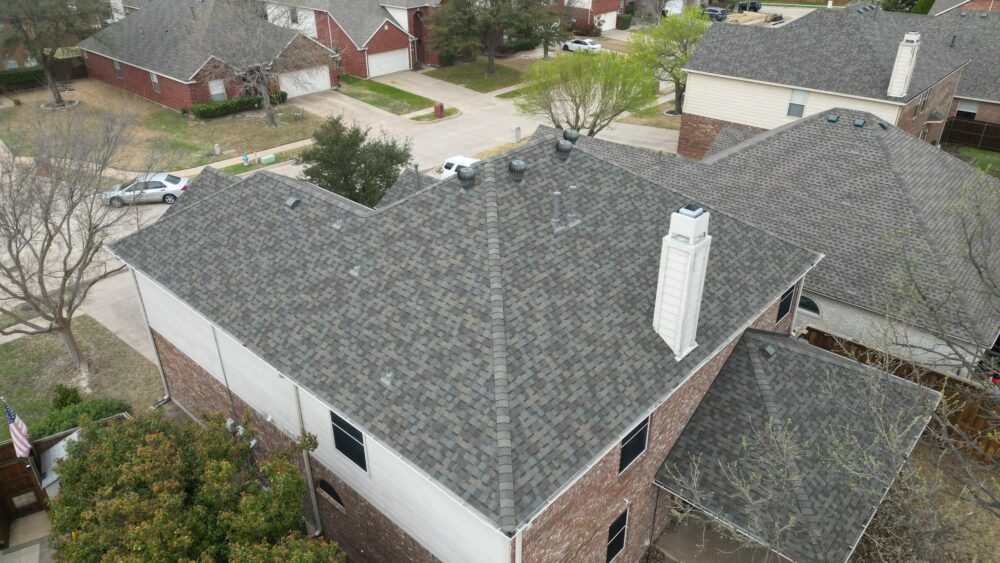
Professional Chimney Cap Installation for North Texas Homes
A chimney cap is a protective covering installed at the top of a chimney or flue. Although simple in appearance, it performs several important jobs. According to the Chimney Safety Institute of America (CSIA), chimney caps can help keep out rain, snow, animals, birds, leaves, twigs, and other debris. Depending on the design, caps can also help contain sparks and reduce wind-induced downdrafts.
For DFW homeowners, protection from water and severe weather is particularly relevant. National Weather Service climate normals show Dallas-Fort Worth receives about 37 inches of precipitation annually and averages more than 46 thunderstorm days per year. The National Weather Service also notes that severe weather, including large hail and damaging winds, occurs in the Metroplex.
What Happens During a Chimney Cap Installation?
A professional chimney cap installation begins with evaluating the chimney rather than simply attaching a standard cap. The size, configuration, condition, and number of flues can affect which type of cap and mounting method are appropriate.
The process generally includes:
- Inspecting the chimney and surrounding area. The installer checks the chimney top, flue, masonry, flashing, and nearby roofing for visible concerns that could affect the installation.
- Measuring the chimney or flue. Accurate measurements are essential because an improperly sized cap may not provide reliable protection or remain secure.
- Selecting the appropriate chimney cap. The cap needs to match the chimney configuration and provide sufficient clearance for proper venting.
- Securing the cap. The mounting method depends on the cap design and chimney construction. The goal is a stable installation capable of remaining secure when exposed to North Texas weather.
- Completing a final check. The installer verifies that the cap is secure and that the installation does not obstruct the flue opening.
This step-by-step approach helps ensure the chimney cap functions as intended instead of becoming another maintenance problem.
Why Do DFW Homes Need Chimney Caps?
The primary reason is moisture protection. An uncapped flue leaves an opening where rain can enter the chimney system. CSIA notes that water entering a chimney can contribute to deteriorated mortar, weakened masonry, rusted metal components, and other moisture-related damage.
That matters in Dallas-Fort Worth because rainfall is not limited to one season. National Weather Service data show that spring and fall are typically the region’s wettest periods, with much of that rainfall associated with thunderstorms.
A chimney cap can also help prevent:
- Birds and animals from entering the chimney
- Leaves, twigs, and other debris from creating obstructions
- Rainwater from entering directly through the flue
- Certain sparks and embers from escaping, when the cap incorporates an appropriate spark-arresting design
- Some wind-related downdrafts, depending on the cap and chimney system
A chimney cap cannot solve every chimney or roofing problem, but it is an important first line of protection at one of the home’s most exposed openings.
How Do You Know If Your Chimney Cap Needs Replacement?
A chimney cap should be evaluated when it is missing, visibly damaged, loose, rusted, or no longer securely attached. Because the cap sits above the roofline, homeowners may not notice deterioration until a storm or roof inspection reveals the problem.
Signs that deserve attention include:
- A cap that appears tilted or out of position
- Visible corrosion or deterioration
- Missing screens or damaged components
- Water entering the fireplace or chimney
- Birds or animals getting into the chimney
- Debris accumulating inside the flue
- A cap that disappeared after high winds or a severe storm
After hail or strong winds in DFW, it can be worthwhile to have the chimney cap checked along with the roof, vents, flashing, and other rooftop components.
Can a Chimney Cap Help Prevent Expensive Water Damage?
Yes, a properly installed chimney cap can reduce one major source of chimney water intrusion by preventing precipitation from entering directly through the open flue. It is a preventive measure rather than a complete waterproofing solution.
Water can still reach a chimney through deteriorated masonry, damaged flashing, cracks, or other vulnerable areas. That is why chimney cap installation should include attention to the surrounding roof and chimney condition.
CSIA specifically recommends chimney caps as one measure for preventing chimney water damage and notes that prolonged moisture exposure can affect masonry, fireplace components, wood, wall coverings, and flue systems.
Chimney Cap Installation FAQ
How long does chimney cap installation take?
Installation time depends on roof access, chimney height, chimney condition, and the type of cap being installed. A straightforward installation can often be completed relatively quickly, while repairs or unusual chimney configurations may require additional work.
Can you install a chimney cap on any chimney?
Most chimneys can accommodate some form of cap, but the correct design and attachment method depend on the chimney’s construction, flue dimensions, and venting requirements. An inspection and accurate measurements help determine the appropriate solution.
Does a chimney cap stop all water from entering a chimney?
No. A cap helps prevent rain from entering through the open flue, but leaks can also originate from chimney flashing, masonry, the chimney crown, or nearby roofing. If water is already entering your home, the entire chimney and roof transition should be evaluated.
Should I have my chimney cap inspected after a DFW storm?
It is a good idea to check rooftop components after significant hail or damaging winds, especially if you notice visible displacement or other signs of damage. The National Weather Service identifies large hail and damaging winds among the severe-weather hazards that occur in the Dallas-Fort Worth Metroplex.
Protect Your Chimney and Roof With DFW Roofing Pro
A secure chimney cap is a small component that can play an important role in protecting your chimney and home from rain, animals, debris, and North Texas weather. DFW Roofing Pro provides professional chimney cap installation with careful measurements, proper installation, and attention to the surrounding roofing system.
Ready for chimney cap installation in DFW? Contact DFW Roofing Pro today to schedule an evaluation and help protect your home from the top down.