Signs Your Chimney Cap Needs Replacement
Your chimney cap may be one of the smallest components of your roofing system, but it plays a critical role in protecting your home. At DFW Roofing Pro, we help homeowners throughout the Dallas-Fort Worth area identify roofing and chimney issues before they turn into expensive repairs. Our team understands the unique weather challenges North Texas homes face, from severe thunderstorms and hail to high winds and scorching summer temperatures. These conditions can accelerate wear and tear on chimney caps, making regular inspections essential.
A properly functioning chimney cap keeps rain, debris, pests, and moisture out of your chimney system. When it becomes damaged or deteriorated, your home can become vulnerable to leaks, masonry damage, and even ventilation problems. Many homeowners do not notice chimney cap issues until visible signs of damage appear inside the home. Understanding the warning signs can help you act quickly and avoid larger roofing and chimney repair costs. In this guide, we’ll explain how chimney caps work, common signs they need replacement, and why DFW homeowners should prioritize chimney maintenance.
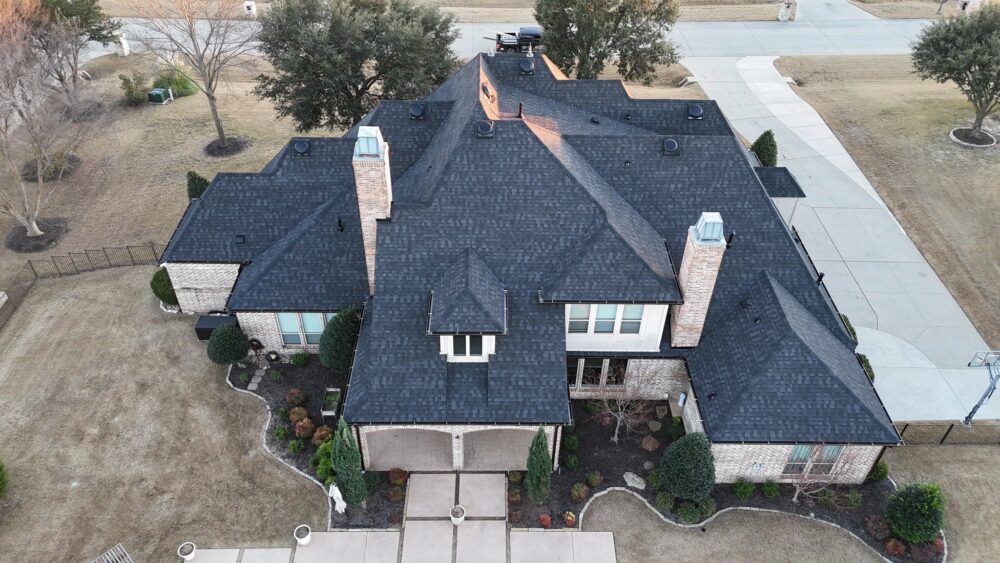
Why Your Chimney Cap Matters
A chimney cap is a protective covering installed at the top of your chimney. It serves several important functions that help preserve both your chimney and your home’s structural integrity.
First, it prevents rainwater from entering the chimney flue. Water intrusion is one of the leading causes of chimney deterioration. Moisture can damage masonry, rust metal components, and weaken mortar joints over time.
Second, chimney caps keep animals out. Birds, squirrels, raccoons, and other wildlife commonly seek shelter inside chimneys throughout the Dallas-Fort Worth region. A damaged or missing cap creates an easy entry point.
Third, chimney caps help prevent debris buildup. Leaves, twigs, and other materials can accumulate inside the chimney and create ventilation issues or fire hazards.
Finally, many chimney caps include spark arrestors that help reduce the risk of embers escaping and causing roof or landscape fires.
Visible Rust or Corrosion on the Chimney Cap
One of the most obvious signs your chimney cap needs replacement is visible rust or corrosion. Metal chimney caps are constantly exposed to the elements. In North Texas, heavy rain, humidity, and seasonal storms can accelerate the corrosion process.
If you notice rust streaks running down your chimney exterior, this often indicates the cap is deteriorating. Rust weakens the metal structure and reduces its ability to protect your chimney effectively.
During a roof inspection, look for:
- Orange or reddish discoloration
- Flaking metal surfaces
- Holes forming in the cap
- Rust stains on masonry
Once corrosion becomes severe, replacement is typically more cost-effective than repair.
Water Leaks Around the Fireplace or Chimney
Water intrusion is one of the most common consequences of a failing chimney cap. If rainwater enters the chimney, it can travel into your home’s interior and create a variety of issues.
Watch for these warning signs:
- Water stains near the fireplace
- Damp walls around the chimney
- Musty odors
- Peeling paint or wallpaper
- Mold or mildew growth
The DFW area experiences frequent thunderstorms, especially during spring and early summer. Even a small opening in a damaged chimney cap can allow significant amounts of water to enter during heavy rainfall events.
According to the Chimney Safety Institute of America (CSIA), water is one of the greatest threats to chimney systems, often leading to expensive structural damage when left unaddressed.
Cracked or Damaged Chimney Masonry
Your chimney cap and chimney crown work together to protect masonry from moisture damage. When the cap fails, bricks and mortar become more susceptible to deterioration.
Signs of masonry damage include:
- Cracked bricks
- Missing mortar joints
- Spalling (flaking or crumbling brick surfaces)
- Leaning chimney structures
North Texas experiences temperature fluctuations throughout the year. Water entering damaged masonry can expand and contract during temperature changes, worsening cracks and structural issues.
If you notice any visible deterioration on your chimney exterior, it’s wise to schedule a professional inspection to determine whether the chimney cap is contributing to the problem.
Animals or Debris Inside Your Chimney
Have you heard scratching noises coming from your chimney? Have birds or squirrels found their way into your home through the fireplace?
These situations often point to a missing or damaged chimney cap.
The DFW area is home to numerous wildlife species that frequently seek shelter in chimneys. Once inside, animals can create blockages, damage chimney liners, and introduce nesting materials that increase fire risks.
Similarly, leaves, branches, and storm debris can enter an unprotected chimney. Blockages can interfere with proper ventilation and increase the risk of dangerous gases remaining inside your home.
If animals or debris are repeatedly entering your chimney, replacing the cap should be a priority.
The Chimney Cap Is Loose, Bent, or Missing
Severe weather is common throughout Dallas-Fort Worth. High winds, hailstorms, and strong storm systems can damage chimney caps over time.
After a significant storm, inspect your chimney for signs such as:
- Bent metal components
- Loose fasteners
- Detached sections
- Completely missing caps
A cap that is no longer securely attached cannot effectively protect your chimney. Even if the damage appears minor, compromised components can worsen quickly during future storms.
Professional inspections following severe weather events can help identify issues before they lead to water intrusion or structural damage.
Why DFW Homeowners Should Schedule Regular Chimney Inspections
Many chimney cap issues develop gradually and go unnoticed from the ground. Routine roof and chimney inspections provide an opportunity to identify damage early.
At DFW Roofing Pro, we recommend annual inspections, especially following major storms. Homes throughout McKinney, Frisco, Prosper, Celina, Allen, Plano, Fairview, Lucas, Lewisville, The Colony and surrounding communities can benefit from proactive maintenance due to the region’s challenging weather conditions.
Regular inspections help:
- Prevent costly water damage
- Extend chimney lifespan
- Improve home safety
- Identify storm-related damage early
- Maintain proper ventilation performance
By addressing chimney cap problems promptly, homeowners can avoid larger repair expenses and protect their investment.
Ready to Protect Your Chimney and Roof?
If you’ve noticed signs of chimney cap damage or simply want peace of mind after a recent storm, the team at DFW Roofing Pro is here to help. Our experienced professionals provide thorough inspections and reliable solutions designed for North Texas homes. Contact us today through our website to schedule an inspection and learn how we can help protect your home from chimney and roofing damage.